How Does a Foil Shaver Work?
A foil shaver works by guiding hair through holes in a thin metal screen, where cutters moving back and forth trim it near the skin. Light pressure and short, straight strokes help hairs reach the cutters.
On this page (7 sections)
- How does a foil shaver work?
- Who should choose a foil shaver over a rotary shaver?
- Which foil shaver features are worth choosing?
- How should you set up and use a foil shaver?
- Which mistakes cause pulling and missed hairs?
- How do you clean and maintain a foil shaver?
- How does a foil shaver work for your shaving routine?
A foil shaver works by feeding hairs through holes in a thin metal screen, where cutters move back and forth to trim them near the skin. The foil forms a barrier between your face and those moving edges.
This design is well suited to keeping short facial hair close with regular shaving. Choosing the right head helps, but hair length, stroke direction, and cleaning also shape the result.
How does a foil shaver work?
A foil shaver uses the foil and moving cutters together to shear hair. As you glide the head across your face, hairs enter its openings and meet the cutting edges underneath.
The foil stays against your skin while a motor drives the cutters from side to side. Its thin screen lets the cutting parts work near the surface without exposing their edges directly to your face.
Hair must enter an opening before it can be cut. Long hairs that bend over, or short hairs lying flat against the neck, can escape a pass even while the motor runs normally.
Some heads combine several cutting elements to catch hair across the shaving surface. More elements don't guarantee a closer result, since contact with your skin and the direction of each stroke still matter.
How does the foil help a shaver cut close?
The foil helps a shaver cut close by holding the cutting edges near the skin behind a thin barrier. Gentle, steady contact gives hairs a chance to enter without forcing the head into your face.
A flexible head can maintain that contact around curves, but you still need to change your wrist angle along the jaw. Pushing harder won't make a poorly positioned head follow the skin better.
If a patch stays rough, feel which way the hairs grow before changing direction. Our guide to why an electric shaver leaves stubble explains other causes of missed hair.
Who should choose a foil shaver over a rotary shaver?
Choose a foil shaver if you prefer straight strokes and frequent close shaving. Consider a rotary shaver if circular movements feel more natural when working around facial contours and changing hair directions.
A foil head also gives you a straight edge to work near a beard line, though a separate trimmer is better for shaping that line. Neither head style replaces beard clippers when you want to keep a set length.
Rotary shavers use circular screens with rotating cutters beneath them. Read what a rotary shaver is and who it's for if you want a closer look at that layout.
Your beard pattern and routine matter more than choosing a head style by reputation alone. Our foil vs rotary shavers comparison covers the practical tradeoffs.
Which foil shaver features are worth choosing?
Choose features that solve a specific part of your routine: following curves, trimming edges, shaving with lather, or keeping track of charging. Start there before comparing blade counts or motor figures.
These 3 models show how the same foil mechanism can fit different needs. All support wet and dry shaving, so the more useful differences are their heads, controls, and grooming tools.
Braun Series 5 5155cs: for shaving and body grooming
The Series 5 suits someone who wants face shaving and separate grooming attachments in one kit. It includes a precision trimmer, body groomer, charging stand, and travel case, with up to 50 minutes of cordless runtime.
Its SmartMotor adjusts power to beard density, while Standard and FastShave modes let you choose the operating mode. Braun designs the SkinGentle Foil and SmoothShave blade to reduce tugging, including on a 3-day beard.
Choose it if you'll use the attachments and want manual mode choice alongside automatic power adjustment. Skip this kit if you only need a face shaver and would leave the extra grooming tools unused.
The 3 AquaFlex blades follow facial contours, and EasyClean allows rinsing without removing the head. That makes it a sensible option if a simple after-shave rinse is a priority.
Braun Series 7 7032cs: for following facial contours
The Series 7 suits someone who wants an adaptive head for the chin, jaw, and neck. Its 360 Flex system works with AutoSense power adjustment, so you can focus on head contact and stroke direction.
A full charge takes 1 hour and provides 50 minutes of shaving, while a 5-minute quick charge supplies one shave. That quick-charge option is useful if you sometimes discover an empty battery just before getting ready.
The kit includes beard, body, and stubble grooming attachments, plus a charging stand and travel case. Skip it if you mainly need to maintain beard length, since the foil head's main job is close shaving.
Panasonic ARC5: for face shaving with built-in detailing
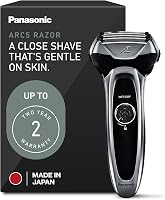
The ARC5 suits someone who wants a face shaver with a built-in pop-up trimmer. That trimmer keeps mustache, sideburn, and beard-edge detailing available without swapping to a separate attachment.
Its shaving sensor adjusts power to beard density, and a 10-stage LCD shows battery status. The linear motor runs at 14,000 cycles per minute, but that number alone isn't a reason to choose it over a better-fitting head.
Skip it if separate body-grooming attachments are central to your routine; the Braun kits above include those tools. Read our Panasonic ARC5 review for more help deciding whether its face-focused setup fits.
For a broader starting point, use our foil shavers guide, then compare options in best foil shavers.
How should you set up and use a foil shaver?
Start with a charged shaver, an intact foil, and hair short enough to enter the head. Check the manual for charging, water use, and attachment instructions before the first shave.
Inspect the screen under good light. Don't shave with a torn, dented, or loose foil, and remove any protective cap before switching the shaver on.
For a dry shave, begin with clean, dry skin and let moisture from washing fully dry. For a wet shave, use foam or gel only when your model allows it, and keep charging equipment away from water.
Map the hair direction with your fingertips, especially under the jaw. Growth can change direction within a small area, so one downward pass across the whole face may leave patches behind.
Use short, straight strokes with light pressure, generally against growth where the manual recommends it. Gently stretch loose skin with your free hand, keeping the foil in contact without digging an edge into the surface.
Stop when an area feels sore or hot instead of chasing every remaining hair. Our guide to using an electric shaver for a closer shave walks through the routine in more detail.
Does a foil shaver work on longer hair?
A foil shaver works most easily on short hair that can enter its openings. Trim a longer beard first rather than repeatedly passing the foil over hairs that bend away from it.
Use a suitable beard-trimming attachment according to its instructions. A detail trimmer can shape edges, but don't assume every small trimmer is intended to shorten a full beard.
Which mistakes cause pulling and missed hairs?
The most common mistakes are pressing too hard, shaving over long hair, and using a clogged or worn head. Correct those before blaming the motor or buying a replacement shaver.
- Scrubbing one spot: repeated passes add friction; check growth direction and adjust the stroke instead.
- Flattening hair with pressure: ease off so hairs have room to enter the foil openings.
- Treating the jaw like a flat surface: reposition the head as you move around the curve.
- Leaving wet residue inside: rinse and dry as directed before storage.
- Using the wrong replacement parts: match the foil and cutters to your exact model.
If pulling starts suddenly, stop and inspect the head before continuing. The electric shaver not cutting guide can help separate cleaning, charging, and worn-part problems.
How do you clean and maintain a foil shaver?
Remove trapped hair and residue after use, following your model's care instructions. A clear head gives hair room to reach the cutters and keeps old lather from drying around them.
Turn the shaver off and disconnect it from charging equipment before cleaning. Rinse only parts approved for water use, and remove the head only as directed.
Don't scrub or press on the thin foil with a brush. Use a brush only on the parts the manual permits, and follow any lubrication steps for that model.
Let rinsed parts dry as directed before closing them inside a case. Replace damaged foils immediately, and follow the model's replacement schedule rather than applying another shaver's interval.
For a fuller care routine, see how to clean an electric razor.
How does a foil shaver work for your shaving routine?
Understanding how a foil shaver works gives you a clear buying rule: match the head and tools to your routine. Choose the Series 5 for grooming attachments and mode choice, the Series 7 for its adaptive head and quick charge, or the ARC5 for face shaving with built-in detailing.
Keep your hair short enough for the foil, use light straight strokes, and clean the head consistently. If circular strokes suit you better, use our foil vs rotary shaver guide to decide between the 2 designs.
Frequently asked questions
How does a foil shaver cut hair?
A foil shaver cuts hair that enters small holes in a thin metal screen. Cutters underneath move back and forth, shearing the hair against the foil openings.
Short, straight strokes help feed hairs into the head, while light pressure limits friction against your skin.
Do foil shavers cut hair below the skin?
A foil shaver trims hairs that reach its cutters through the screen; you shouldn't try to force a below-skin cut. The result depends on foil thickness, hair direction, and skin contact.
Pressing harder can push skin into the openings and cause irritation instead of a useful improvement.
Should you use a foil shaver in straight lines?
Yes, short, straight strokes are the usual starting point for a foil shaver. Work against hair growth where your model's instructions recommend it, changing direction across areas with different growth patterns.
Keep pressure light and reposition the head around curves instead of repeatedly scrubbing one patch.
How often should you replace a foil shaver head?
Replace the head on your model's recommended schedule, or sooner if the foil is damaged. Braun gives the Series 7 7032cs head a life of up to 18 months, but that isn't a schedule for every shaver.
Increased pulling or missed hairs after proper cleaning can also signal wear.