Why Does My Electric Shaver Leave Stubble?
An electric shaver that leaves stubble often needs clean cutters, slower passes, or better skin contact. If you want to keep even stubble, choose a guarded beard trimmer with adjustable length settings.
On this page (8 sections)
- Why does my electric shaver leave stubble?
- How can I get a closer shave with an electric shaver?
- Can a dirty or worn shaving head leave stubble?
- Does beard length or hair direction make a difference?
- Could a rotary shaver suit my face better?
- What mistakes make leftover stubble worse?
- When should I replace the head instead of the shaver?
- What should you choose if your electric shaver still leaves stubble?
An electric shaver that leaves stubble usually needs clean cutters, slower passes, or better skin contact before it needs replacing. If you want to leave an even layer of stubble on purpose, choose a guarded beard trimmer instead.
First separate visible missed hairs from faint roughness you can only feel. Those results call for different fixes, and buying a more complex shaver won't solve every cause.
Why does my electric shaver leave stubble?
Patchy stubble usually means missed hairs, while even roughness may reflect how close the shaver cuts. Flat hairs, changing growth directions, and poor contact around the jaw can all leave visible patches.
A foil shaver uses a perforated screen to guide hair to cutters below it. A rotary shaver uses circular cutters; see how foil shavers work and what a rotary shaver is if you're unsure which you have.
Check the pattern before changing your routine:
- One stubborn patch: check growth direction and how the head meets that curve.
- Missed hair across your face: check head cleanliness, assembly, and cutter condition.
- Long individual hairs: your beard may need shortening before the main shave.
- Even roughness without visible patches: decide whether you need a closer finish or have reached a comfortable stopping point.
Electric cutters work behind a protective foil or guard. Chasing every trace of roughness with extra pressure can irritate skin without giving the finish you want.
How can I get a closer shave with an electric shaver?
Start with a clean, correctly fitted head and light pressure. Change one part of your routine at a time so you can tell what helps.
Set up an electric shaver that leaves stubble
Charge the shaver as directed, remove any protective cap, and check that the cutting head clicks into place. After cleaning, make sure removable parts are seated correctly before switching it on.
For a dry shave, begin with clean, dry skin. Use foam, gel, or shower shaving only when the model supports it, and follow its instructions for suitable products.
Map the hair direction with your fingertips before you start. Neck hair may grow sideways or change direction below the jaw, so treat each area separately.
Match your motion to the head
With a foil shaver, use short, straight strokes against growth where comfortable. With a rotary shaver, use small circles rather than dragging the head in long straight lines.
Keep the cutting surface in contact with your skin without pushing it down. Gently holding skin taut can help around uneven areas if your manual recommends it.
Pause, check for missed hairs, and make a targeted pass instead of repeating the whole shave. Our guide to using an electric shaver for a closer shave explains the routine in more detail.
Stop if your skin becomes sore. A stubborn patch is a reason to check technique or equipment, not to keep adding pressure.
Can a dirty or worn shaving head leave stubble?
Buildup can block hair entry, and worn cutters can cut less cleanly. Clean the head before deciding that the shaver lacks cutting power.
Turn it off and disconnect it from power first. Follow the manual for brushing, rinsing, lubrication, or station cleaning, since care methods differ between models.
Don't scrub delicate foils or knock the head against the sink to empty it. Let rinsed parts dry as directed before storage, and keep matched rotary cutting parts together during deeper cleaning.
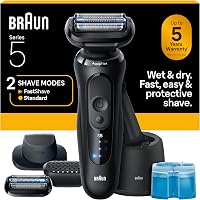
The Braun Series 9 Pro 9465cc suits someone who wants a close foil shave and automated upkeep. Its station handles several care tasks, making it a practical choice if manual maintenance tends to slip.
Braun designs its flexible ProHead for 1, 3, or 7-day beards and says the ProLift trimmer captures flat-lying hair. That makes it relevant for someone alternating between frequent shaving and several days of growth.
It also has a head-lock switch for more control around small areas and a slide-out trimmer for sideburn shaping. Those controls support finishing work, but they aren't adjustable stubble-length settings.
Skip this model if you want to maintain a short beard rather than remove it, or if you don't want a cleaning station taking up counter space. Check the routine cost and availability of compatible cleaning supplies before choosing a station-based setup.
For manual care, read how to clean an electric razor. Our guide to replacement shaver heads explains when new cutting parts make more sense than a new shaver.
Does beard length or hair direction make a difference?
Longer and flat-lying hairs need the right preparation, not harder shaving. If growth exceeds your shaver's recommended range, shorten it with a suitable beard trimmer first.
Don't assume a pop-up detail trimmer is meant to reduce an entire dense beard. Its main role is shaping small areas such as sideburns and mustache edges.
The Panasonic ARC5 PRO suits someone removing dense stubble who prefers straight foil-shaver strokes. Panasonic designed its 5-blade system to lift, capture, and cut thicker or longer hair.
Its 20D flexible head follows facial contours, while the enhanced beard sensor adjusts motor speed to hair density. These features address beard coverage and changes around the neck, chin, and jaw.
Choose it when dense growth is the main buying concern, after checking that your current shaver's cutters are clean and sound. It supports wet or dry shaving and includes a pop-up trimmer for detail work.
Skip it if your goal is an even stubble beard: its finishing blades are designed to reduce leftover hair. Also, don't switch to it solely because your current shaver misses one small neck patch until you've checked that patch's growth direction.
Could a rotary shaver suit my face better?
A rotary shaver may suit you if small circular motions feel easier around facial curves. Choose based on the motion and coverage you prefer, rather than assuming one head style always cuts closer.
Foil heads suit short, straight strokes and deliberate work along beard edges. A rotary head offers a different way to cover curved areas, but still needs steady contact and a clean cutting system.
The Philips Norelco 7800 suits someone who prefers rotary shaving and wants guidance on their motion. Philips Norelco says its motion-sensing technology helps improve technique with fewer passes.
Its facial-hair sensor adjusts cutting power, and its Nano SkinGlide coating is designed to improve glide. These features make it worth considering when your buying priority is controlled movement across facial curves.
It supports wet or dry use and has an integrated precision trimmer for mustache and sideburn work. A wall adapter isn't included, so confirm your charging setup before it arrives.
Skip it if you strongly prefer straight foil strokes or want adjustable beard-length control. Compare foil and rotary shavers before switching styles, and use our electric shaver buying guide to weigh the wider choices.
What mistakes make leftover stubble worse?
The biggest mistakes are pressing harder, rushing, and shaving the same patch repeatedly. Correct the cause of missed hairs rather than increasing force.
Avoid these other habits:
- Using one direction everywhere: change your approach where hair growth changes.
- Starting with growth that's too long: follow your model's beard-length guidance.
- Changing several things at once: adjust preparation or motion separately so you can judge the result.
- Ignoring poor cutting after cleaning: inspect the head instead of repeating an ineffective routine.
- Expecting a detail trimmer to set beard length: use a guarded beard trimmer for even stubble.
Don't judge closeness only by how your face feels when you rub against growth. Check for visible missed hairs too, then decide whether further passes are worth the skin discomfort.
When should I replace the head instead of the shaver?
Replace damaged cutting parts before using the shaver again, and follow the manufacturer's schedule for routine replacement. A bent or broken foil can expose skin to the cutters.
If performance has gradually declined, clean and refit the head first. When the body still works properly, compatible replacement cutters may solve the problem without replacing the whole unit.
Stop and check the manual if the shaver pulls hair or makes an unusual sound. Our guide to why an electric shaver pulls hair or stops cutting covers those warning signs.
Consider a different shaver when sound cutting parts and suitable technique still don't fit your beard or routine. Check replacement-head availability for the exact model before buying.
What should you choose if your electric shaver still leaves stubble?
For an electric shaver that leaves stubble, choose the next step by the result you want and the problem you can see. Don't buy a close-shaving model to maintain deliberate beard length.
Keep your current shaver if cleaning, correct assembly, and slower strokes solve the patches. Choose Braun for automated upkeep, Panasonic for dense-stubble removal with foil strokes, or Philips Norelco for rotary movement with motion guidance.
If you want a smooth face, our close-shave electric shaver guide helps narrow the options. If faint roughness remains your main concern, compare the electric shaver versus razor tradeoffs before changing tools.
Frequently asked questions
Why does my electric shaver leave stubble?
An electric shaver can leave stubble because of dirty cutters, worn parts, poor skin contact, or hairs growing in different directions. Clean and refit the head, then use slow passes suited to its design.
A faint, even roughness may reflect the shaver's cutting limit rather than a fault.
Should I shave with or against the grain using an electric shaver?
Foil shavers generally use short, straight strokes against hair growth, while rotary shavers generally use small circular motions. Follow your model's instructions and keep pressure light.
Check the direction of hair growth separately on your cheeks and neck, since a single stroke direction may miss hairs in some areas.
Can a dull electric shaver leave stubble?
Yes, worn cutters can leave stubble, pull hair, or require more passes. Clean the head and check that it is fitted correctly before buying replacement parts.
Follow the manufacturer's replacement schedule, and stop using damaged foils or cutters until you replace them with parts made for your exact model.
Does an electric shaver give as close a shave as a razor?
A blade razor can give a closer finish because an electric shaver cuts through a protective foil or guard. Your hair, technique, and head condition still affect the result.
Compare the upkeep and comfort tradeoffs in our electric shaver versus razor guide before switching solely to remove faint roughness.
Can I use an electric shaver to keep an even stubble beard?
A guarded beard trimmer is the better tool for keeping an even stubble beard. Choose one with adjustable cutting lengths rather than relying on a close-shaving head to leave hair behind.
Missed hairs are uneven, and a shaver's pop-up detail trimmer does not automatically provide controlled, full-face stubble length.